Pumpkin Pancakes are fluffy, warmly spiced, high-protein pancakes that make a satisfying breakfast without piling on the calories. Pumpkin puree, cottage cheese, eggs, and oat flour create thick, tender pancakes with plenty of protein and a naturally hearty texture.
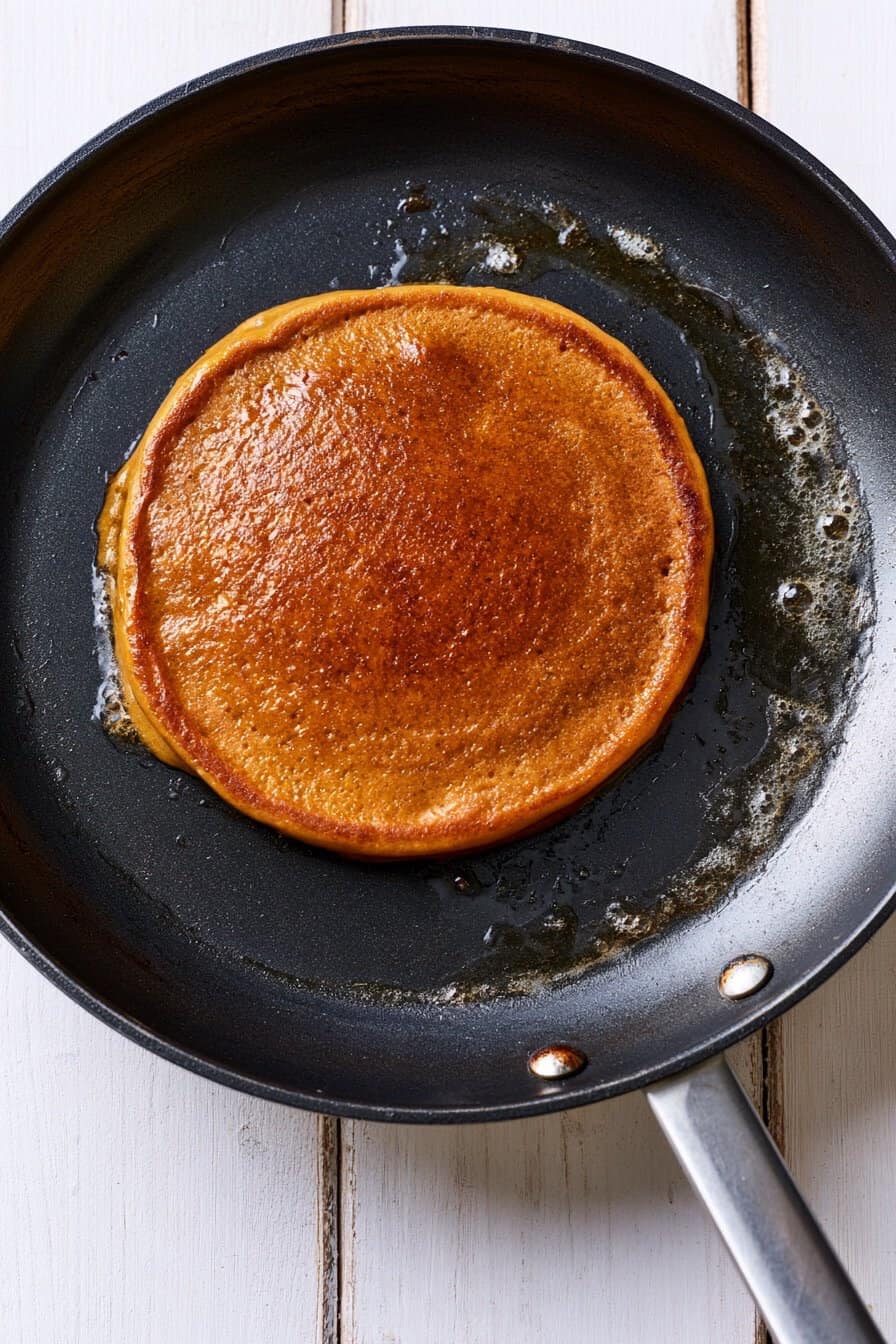
These pancakes have the warm fall flavors you expect from a pumpkin breakfast, with cinnamon, pumpkin pie spice, and vanilla in every bite. The pumpkin keeps the centers moist while the edges and surface develop that beautiful golden-brown color you can see in the finished pancakes.
I especially like this recipe when I want a high-protein, low-calorie breakfast that still feels like a traditional stack of pancakes. Serve them warm with a small drizzle of maple syrup, Greek yogurt, fresh fruit, or chopped pecans.

Why You’ll Love These Pumpkin Pancakes
- High in protein: Cottage cheese and eggs add protein without requiring a large amount of protein powder.
- Lower in calories: Pumpkin adds moisture and volume while keeping the pancakes satisfying.
- Fluffy and tender: The batter cooks into thick pancakes with soft, moist centers.
- Full of fall flavor: Pumpkin, cinnamon, vanilla, and pumpkin pie spice give them that classic pumpkin flavor.
- Easy to make: Everything can be blended into one smooth batter.
- Great for meal prep: Make a batch ahead and refrigerate or freeze individual pancakes for quick breakfasts.
Why These High Protein Pumpkin Pancakes Keep You Full
These pumpkin pancakes use a combination of cottage cheese, eggs, pumpkin, and oats instead of relying on a traditional pancake batter made mostly from refined flour.
The cottage cheese and eggs provide protein, while the pumpkin and oats add fiber and body. That combination makes the pancakes more satisfying while still keeping the recipe relatively light.
They’re especially useful for mornings when you want something sweet and comforting but also want a breakfast with enough protein to carry you through the morning.

Pumpkin Pancake Ingredients
For the complete ingredient amounts and instructions, see the recipe card below.
Pumpkin Puree: Use 100% pure pumpkin puree, not pumpkin pie filling. Pumpkin pie filling already contains sugar and spices and will change both the flavor and consistency of the batter.
Cottage Cheese: Cottage cheese gives these pancakes extra protein and helps create a tender center. Since everything is blended, you won’t have noticeable cottage cheese curds in the finished pancakes. I prefer small-curd cottage cheese, but either small or large curd will work.
Eggs: Eggs provide additional protein while helping the pancakes hold together and rise.
Oat Flour: Oat flour gives the pancakes structure while keeping the texture soft. You can buy oat flour or make your own by blending old-fashioned oats until very finely ground.
Baking Powder: Baking powder provides the lift needed for thick, fluffy pancakes. Make sure yours is fresh for the best rise.
Pumpkin Pie Spice: Pumpkin pie spice provides the classic combination of warm fall spices without requiring several individual spice jars.
Cinnamon: A little additional cinnamon strengthens the warm pumpkin flavor without overpowering it.
Vanilla Extract: Vanilla rounds out the pumpkin and spices and gives the pancakes a sweeter aroma without requiring much added sweetener.
Maple Syrup: A small amount in the batter adds sweetness and complements the pumpkin. Sugar-free maple syrup can be used if you want to further reduce the calories.
Salt: A small amount of salt balances the sweetness and brings out the cinnamon, vanilla, and pumpkin spice.
Step-By-Step: How to Make Pumpkin Pancakes
1. Blend the wet ingredients
Add the pumpkin puree, cottage cheese, eggs, maple syrup, and vanilla to a blender. Blend until completely smooth.
During testing, blending the cottage cheese with the wet ingredients before adding the dry ingredients produced a noticeably smoother pancake with no visible cottage cheese curds. It also helped distribute the pumpkin evenly throughout the batter.
2. Add the dry ingredients
Add the oat flour, baking powder, pumpkin pie spice, cinnamon, and salt. Pulse just until everything is combined.
Scrape down the sides of the blender if necessary.
Avoid blending much longer than needed once the flour has been added.
3. Let the batter rest
Allow the batter to sit for about 5 minutes before cooking.
This is an important little step.
During testing, letting the batter rest for 5 minutes gave the oat flour time to absorb some of the moisture from the pumpkin and cottage cheese. The batter became slightly thicker and produced pancakes that held their shape better in the skillet.
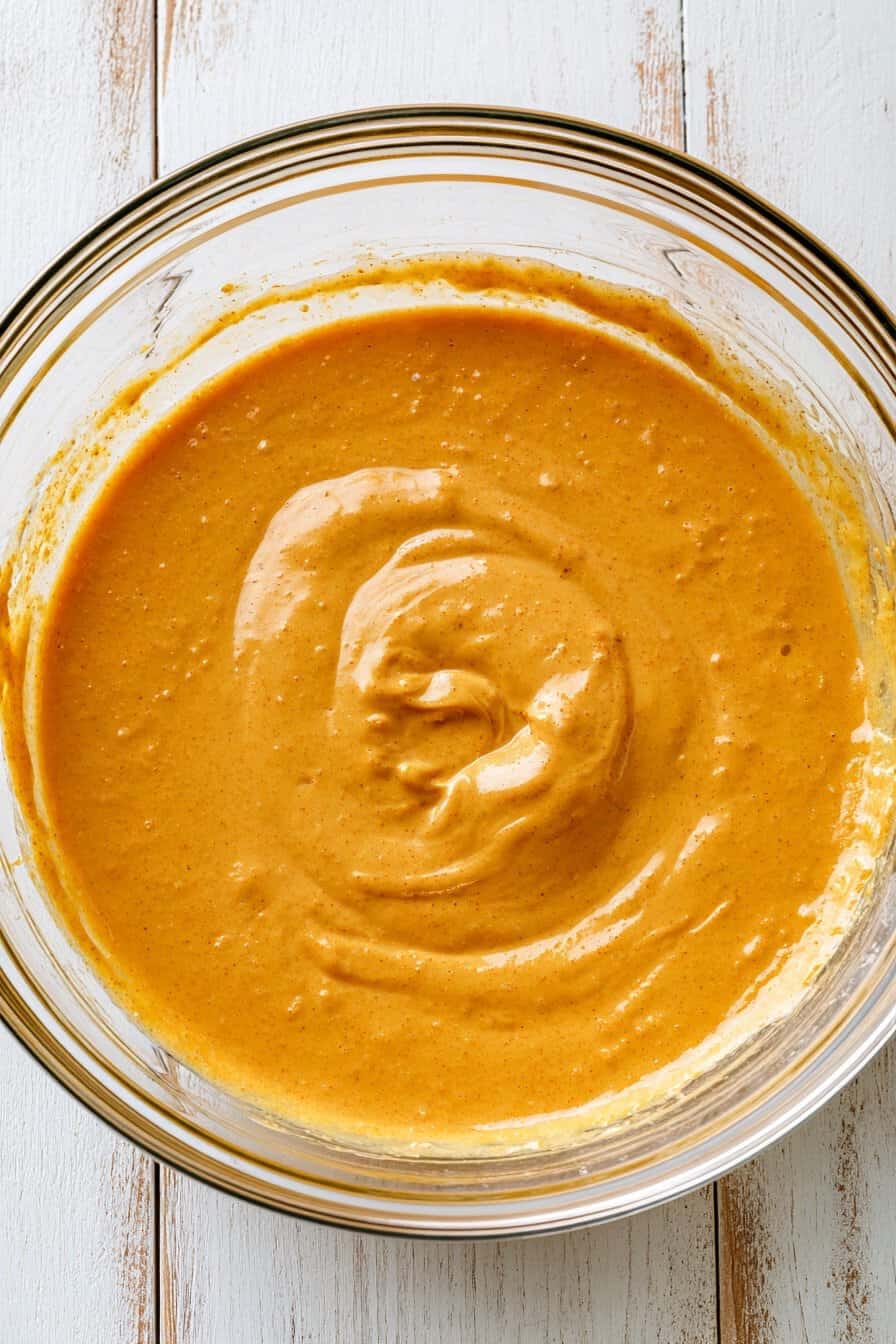
The batter should be thick but still easy to spoon or pour. If it becomes excessively thick, stir in 1 tablespoon of milk.

4. Preheat the skillet
Heat a large nonstick skillet or griddle over medium-low heat. Lightly coat the surface with nonstick cooking spray.
Give the pan a few minutes to heat evenly before adding the batter.
Medium-low heat produced the best results during testing. Higher heat browned the outside too quickly while the pumpkin-rich center still needed additional time to cook.
5. Cook the pancakes
Scoop approximately ¼ cup of batter onto the skillet for each pancake.
Gently spread the batter into a circle if necessary.
Cook for approximately 2 to 3 minutes on the first side. Look for bubbles beginning to appear near the surface and edges that look set rather than wet.
6. Flip only when the first side is set
Slide a thin spatula underneath each pancake and flip gently.
Cook for another 1½ to 2 minutes, or until the second side is golden brown and the center is cooked through.
During testing, waiting until the edges were set before flipping made a big difference. Flipping too early caused the soft pumpkin batter to fold or break, while allowing the first side to fully set produced thicker pancakes that flipped cleanly.

7. Repeat with the remaining batter
Continue cooking the remaining pancakes, lightly coating the skillet again when necessary.
Keep an eye on the pan temperature as you cook additional batches. If the pancakes begin browning too quickly, reduce the heat slightly.
8. Serve warm
Serve the pumpkin pancakes while they’re warm with your favorite toppings.
A little maple syrup is all they really need, but Greek yogurt, fresh berries, sliced banana, chopped pecans, or a light dusting of cinnamon are all delicious additions.
Notes to the Cook
- Keep the pancakes moderately sized. About ¼ cup of batter per pancake makes them easier to flip and allows the centers to cook before the outside becomes too dark.
- Don’t skip the batter rest. Oat flour continues absorbing moisture after blending, and those few minutes help create a thicker batter and better-shaped pancakes.
- Watch your heat. Pumpkin makes these pancakes moist, so medium-low heat gives the center enough time to cook while allowing the outside to become evenly golden.
- Use pure pumpkin. Pumpkin puree and pumpkin pie filling aren’t interchangeable in this recipe. Pie filling contains additional sugar and spices.
- Wait before flipping. Look for set edges and small bubbles before reaching for your spatula. The pancakes are delicate when the first side hasn’t cooked sufficiently.
How I Would Modify This Recipe
Add More Protein
For an even bigger protein boost, you can add a small amount of vanilla or unflavored protein powder. Because protein powder absorbs liquid differently depending on the brand, start with 2 tablespoons. Add a splash of milk if the batter becomes too thick.
Make Them Sweeter
If you prefer sweeter pancakes without relying on toppings, add another teaspoon or two of maple syrup to the batter.
Add Some Texture
Fold chopped pecans or walnuts into the finished batter after blending. Don’t blend the nuts or you’ll lose their texture.
Add Chocolate Chips
A small handful of mini chocolate chips turns these into a more indulgent pumpkin breakfast while still keeping the protein-rich pancake base.

My Tips & Tricks
- For the fluffiest pancakes, don’t flatten them with your spatula after flipping. Pressing them down pushes out some of the air that gives them their thicker texture.
- I also recommend cooking one test pancake before filling the skillet. Pumpkin batter can vary slightly depending on the moisture content of your pumpkin and cottage cheese. The first pancake lets you adjust the heat or batter consistency before cooking the entire batch.
- If the batter spreads too quickly, let it rest another few minutes. If it’s too thick to spread at all, stir in milk 1 tablespoon at a time.
What to Serve with Pumpkin Pancakes
Pair your Pumpkin Pancakes with plenty of easy breakfast ideas for a filling morning meal. For extra protein, serve them with scrambled eggs, a breakfast egg casserole, Greek yogurt with berries, or a high-protein breakfast bowl.
Craving something savory on the side? Try turkey sausage, baked bacon, or a simple ham and egg breakfast.
For something lighter, add fresh berries, sliced bananas, or a colorful fruit salad. And if you’re making a cozy fall breakfast, these pumpkin pancakes are especially good with cinnamon apples, maple-roasted fruit, or a warm cup of coffee.
My Storage Tips
Refrigerator
Allow the pancakes to cool completely before placing them in an airtight container. Refrigerate for up to 4 days.
I like to place parchment paper between the pancakes so they’re easy to separate.
Freezer
These pumpkin pancakes freeze very well. Arrange cooled pancakes in a single layer and freeze until firm, then transfer them to a freezer-safe container or bag.
Freeze for up to 3 months.
Reheating
Reheat refrigerated pancakes briefly in the microwave, toaster, toaster oven, or skillet.
For frozen pancakes, the toaster or toaster oven is particularly convenient because you can reheat only what you need.

Frequently Asked Questions
The skillet is probably too hot or the pancakes are too large. Pumpkin creates a moist batter that needs a little more time to cook through. Use medium-low heat and about ¼ cup of batter per pancake so the inside has time to cook before the outside becomes too brown.
Yes. These are great for meal prep. Cook and cool the pancakes completely, then refrigerate them for up to 4 days or freeze them for up to 3 months. Reheat individual pancakes as needed.
You can substitute thick plain Greek yogurt, although the consistency and final protein content will change slightly. Because yogurt can contain more moisture than cottage cheese, you may need a little additional oat flour if the batter is too thin.
Pumpkin Pancakes

These fluffy Pumpkin Pancakes are an easy high-protein, low-calorie breakfast made with pumpkin puree, cottage cheese, eggs, oat flour, and warm fall spices. Blending the cottage cheese creates a smooth batter, while pumpkin keeps the centers soft and tender. Cook them slowly until golden brown, then serve warm with maple syrup, Greek yogurt, fresh fruit, or your favorite pancake toppings.
Ingredients
- 1 cup cottage cheese
- ¾ cup pure pumpkin puree
- 2 large eggs
- ¾ cup oat flour
- 2 teaspoons baking powder
- 1 teaspoon pumpkin pie spice
- ½ teaspoon ground cinnamon
- 1 teaspoon vanilla extract
- 1 tablespoon maple syrup
- ¼ teaspoon salt
- Nonstick cooking spray, as needed
- 1 to 2 tablespoons milk, only if needed to thin batter
Instructions
- Blend the wet ingredients. Add the cottage cheese, pumpkin puree, eggs, maple syrup, and vanilla extract to a blender. Blend for about 30 to 45 seconds, or until completely smooth and no visible pieces of cottage cheese remain. Stop and scrape down the sides of the blender if necessary.
- Add the dry ingredients. Add the oat flour, baking powder, pumpkin pie spice, cinnamon, and salt. Pulse several times just until the dry ingredients are incorporated. Avoid unnecessarily blending the batter for a long time once everything is combined.
- Rest the batter. Leave the batter in the blender for about 5 minutes. The oat flour will absorb some of the moisture from the pumpkin and cottage cheese, and the batter should become slightly thicker. It should be thick enough to hold its shape on the skillet but still easy to scoop. If it becomes too thick, stir in milk 1 tablespoon at a time.
- Preheat the skillet. Place a large nonstick skillet or griddle over medium-low heat. Allow it to preheat for 2 to 3 minutes, then lightly coat the cooking surface with nonstick cooking spray.
- Portion the pancakes. Scoop approximately ¼ cup of batter onto the skillet for each pancake. Leave enough room between the pancakes to easily slide a spatula underneath them. If the batter doesn't naturally form a circle, gently spread it with the back of the measuring cup.
- Cook the first side. Cook for approximately 2 to 3 minutes. Don't rush this side. The edges should begin to look set and slightly dry, and small bubbles should appear near the surface. If the bottoms are becoming dark before the tops begin setting, reduce the heat.
- Flip carefully. Slide a thin, wide spatula completely underneath each pancake and gently flip. Cook the second side for another 1½ to 2 minutes, or until golden brown and the center is cooked through.
- Check the first pancake. Cut into the first pancake if you're unsure whether the center is finished. It should look soft and moist but not wet or uncooked. Adjust the heat or cooking time before making the remaining batch if necessary.
- Cook the remaining batter. Transfer the cooked pancakes to a plate and repeat with the remaining batter. Lightly coat the skillet again with cooking spray when needed. Reduce the heat slightly if later batches begin browning faster than the first.
- Serve. Serve the pumpkin pancakes warm. Add a light drizzle of maple syrup, or top with Greek yogurt, fresh berries, sliced banana, chopped pecans, walnuts, or a sprinkle of cinnamon.
Notes
- Use pure pumpkin puree: Make sure the can says 100% pure pumpkin rather than pumpkin pie filling. Pumpkin pie filling contains added sugar and spices and will change the sweetness, flavor, and consistency of the pancakes.
- Blend the cottage cheese completely: Don't worry if you aren't a fan of the texture of cottage cheese. Once thoroughly blended with the pumpkin and eggs, the curds disappear into the batter and help create a soft, tender pancake.
- Let the batter rest: Give the batter about 5 minutes before cooking. During testing, this made a noticeable difference because the oat flour had time to absorb some of the liquid. The slightly thicker batter spread less and produced thicker pancakes that were easier to flip.
- Check the batter consistency: Pumpkin and cottage cheese can vary in moisture. Your batter should be thick but scoopable. If it's extremely thick after resting, add milk 1 tablespoon at a time. Avoid adding too much at once because a thin batter will spread quickly and produce flatter pancakes.
- Use medium-low heat: Pumpkin pancakes contain more moisture than many traditional pancakes. During testing, higher heat browned the outside before the center had enough time to cook. Medium-low heat produced more evenly golden pancakes with properly cooked centers.
- Make smaller pancakes: Use approximately ¼ cup batter per pancake. Larger pancakes are harder to flip and can remain undercooked in the middle while the outside becomes too dark.
- Know when to flip: Don't rely only on bubbles. Look for bubbles along with edges that have begun to set and lose their wet appearance. During testing, pancakes flipped too early were much more likely to fold or break.
- Don't flatten the pancakes: Avoid pressing down on them with your spatula after flipping. Let them finish cooking naturally so they retain their thicker, softer texture.
- Cook a test pancake first: I recommend making one pancake before filling the entire skillet. Check its color and center, then adjust the heat if necessary. If it browns too quickly, lower the heat. If it remains very pale after several minutes, increase the heat slightly.
- Keep finished pancakes warm: If you're cooking several batches, place finished pancakes on a baking sheet in a 200°F oven while you finish the remaining batter. Don't cover them tightly because trapped steam can make the surfaces damp.
- For extra protein: Serve the pancakes with plain Greek yogurt or additional cottage cheese on the side. You can also experiment with adding a small amount of protein powder to the batter, but different protein powders absorb different amounts of liquid, so the batter may require additional milk.
- For sweeter pancakes: The pancakes are intentionally only lightly sweetened so you can control the sweetness with toppings. If you prefer sweeter pancakes on their own, add another 1 to 2 teaspoons of maple syrup to the batter.
- Meal prep: Cook the entire batch and allow the pancakes to cool completely before storing. Place parchment paper between them so individual pancakes are easy to remove.
- Refrigerator: Store cooled pancakes in an airtight container in the refrigerator for up to 4 days.
- Freezer: Place parchment between cooled pancakes and freeze in a freezer-safe container or bag for up to 3 months. You can also freeze them in a single layer first before transferring them to a container to prevent sticking.
- Reheating: Reheat individual pancakes in the microwave for a softer texture. For slightly firmer edges, use a toaster, toaster oven, or warm skillet. Frozen pancakes can be reheated directly from frozen, although they may need a little additional time.
- Topping tip: Maple syrup tastes great with pumpkin, but toppings can quickly change the calories and sugar in the finished breakfast. For a lighter option, use fresh berries, Greek yogurt, sliced banana, or just a small drizzle of maple syrup.
Nutrition Information:
Yield: 8 Serving Size: 1 PancakesAmount Per Serving: Calories: 179Total Fat: 5gSaturated Fat: 2gUnsaturated Fat: 4gCholesterol: 55mgSodium: 374mgCarbohydrates: 22gFiber: 3gSugar: 3gProtein: 10g